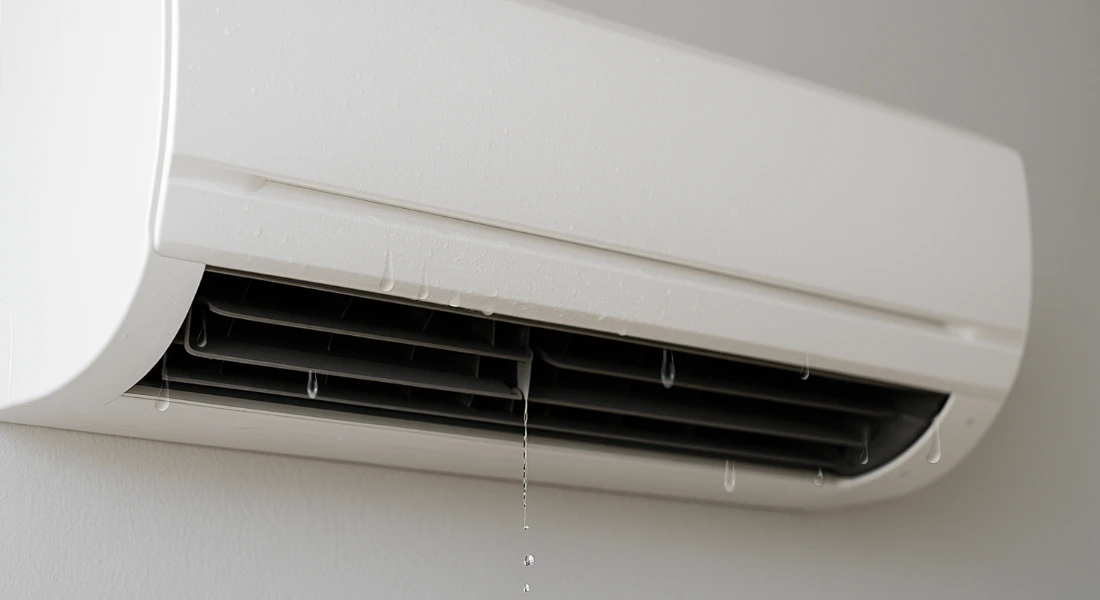
Why Is My Aircon Dripping Water Indoors? 7 Causes & How to Fix It
December 3, 2025
Quick Summary
Aircon dripping water indoors is usually caused by clogged drainage pipes, dirty air filters, frozen coils, low refrigerant gas, or improper installation. This guide explains the 7 most common reasons and how to fix them.
Updated for Singapore homes • Practical fixes • When to call a technician
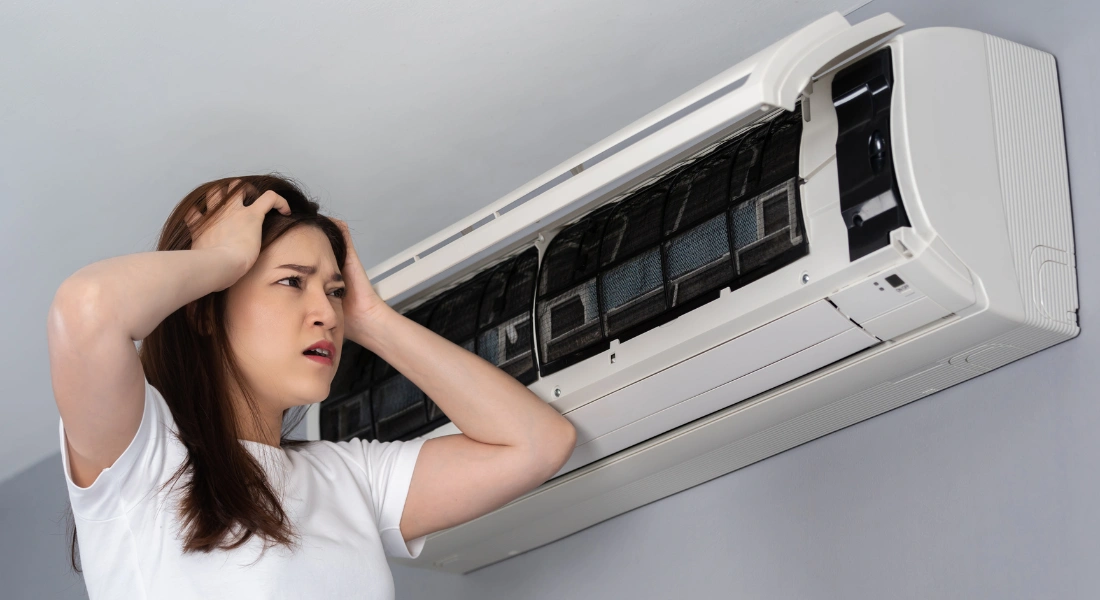
Air-conditioning is essential in Singapore’s hot and humid weather, so noticing water dripping inside your home can be alarming. While light condensation is normal, water leaking from the indoor aircon unit is not and usually indicates an issue that needs attention.
This guide explains the 7 most common causes of indoor aircon leakage, how you can troubleshoot safely, and when it’s time to call a professional technician in Singapore.
1. Clogged or Blocked Drainage Pipe
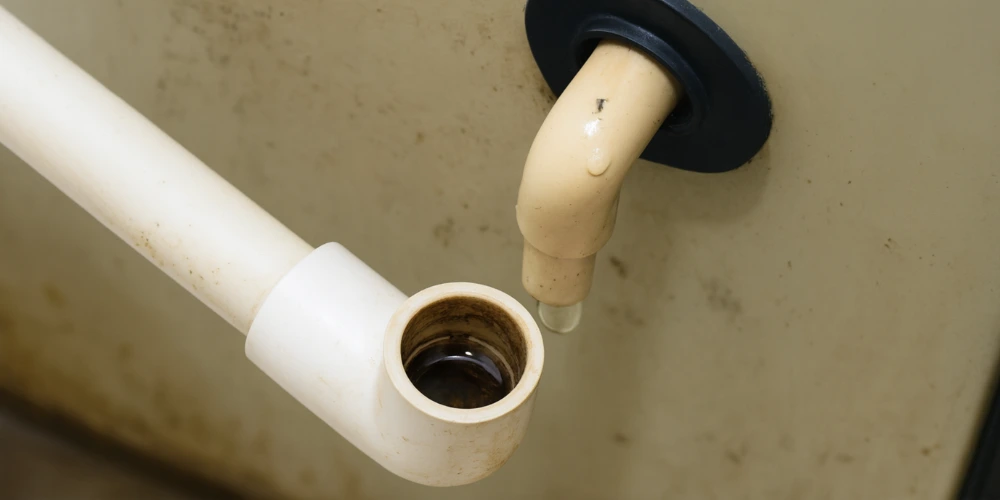
This is the most common reason for aircon leaking indoors.
When dust, algae, dirt, or debris accumulates in the drainage pipe, water cannot flow out properly. As a result, the water overflows and drips from the fan coil unit.
| How to Fix | How to Prevent |
|---|---|
| If mild, you can gently clear the pipe using a wet/dry vacuum. | If blockage is severe, it requires a technician with proper tools. |
| If blockage is severe, it requires a technician with proper tools. | Avoid long gaps (6–12 months) without cleaning |
Recommendation: Book a troubleshooting inspection to clear the drainage pipe.
2. Dirty or Choked Air Filter
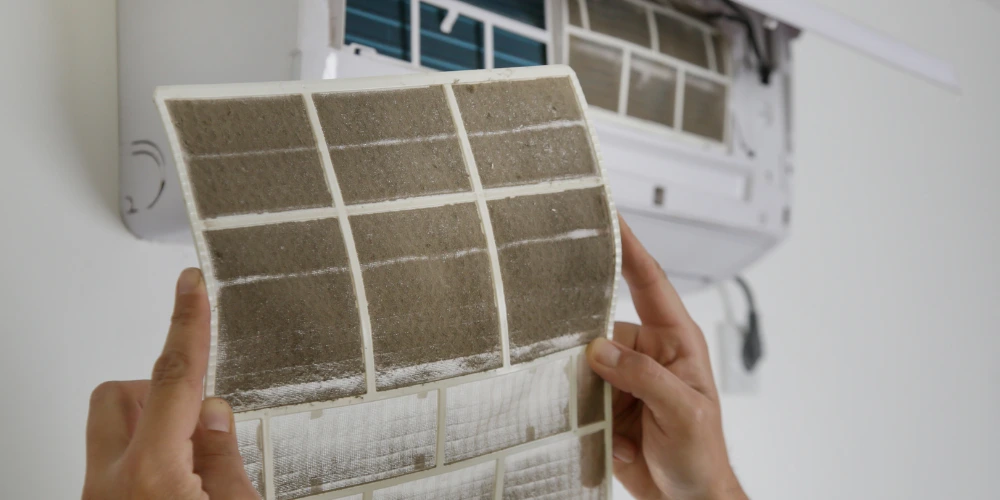
When the air filter becomes dirty, airflow is restricted. This causes the evaporator coil to get too cold and freeze. When the ice melts — your aircon starts dripping water.
| How to Fix | How to Prevent |
|---|---|
| Remove and wash the filter with mild soap & water. | Wash your filter every 3–4 weeks. |
| Let it dry completely before reinstalling. | Do not run your aircon with a clogged filter. |
| Replace the filter if damaged. | Ensure regular servicing to keep airflow strong. |
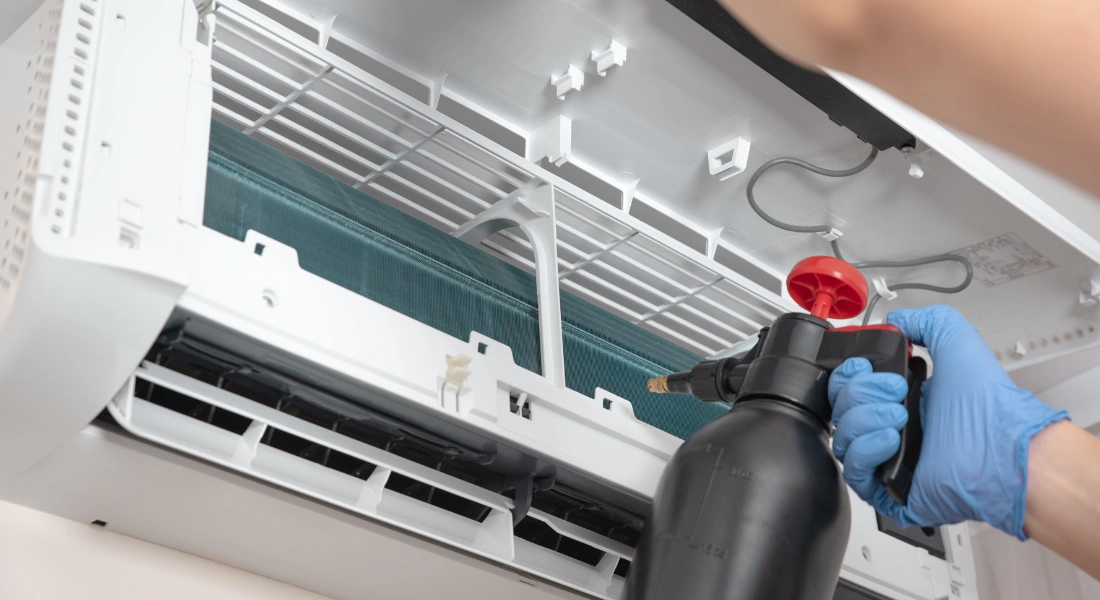
Recommendation: Schedule a general aircon servicing to clean the filters and restore airflow.
3. Frozen Evaporator Coil
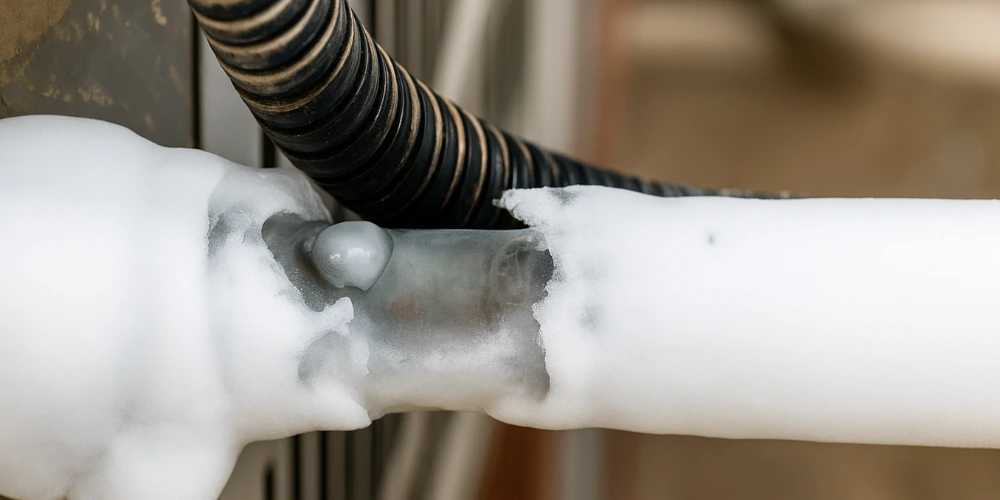
A frozen coil usually happens when there is:
- Low airflow
- Low refrigerant gas
- Dirty blower or coil
When the ice melts, water drips from the indoor unit.
| How to Fix | How to Prevent |
|---|---|
| Turn off the aircon and allow it to defrost. | Technician will inspect coil cleanliness or airflow issue. |
| Wash filters regularly. | Service your aircon every 3–6 months. |
| Have a technician check refrigerant gas levels. | Check refrigerant gas levels periodically. |
Recommendation: Consider a chemical wash or chemical overhaul for thorough coil cleaning.
4. Low Refrigerant Gas Level
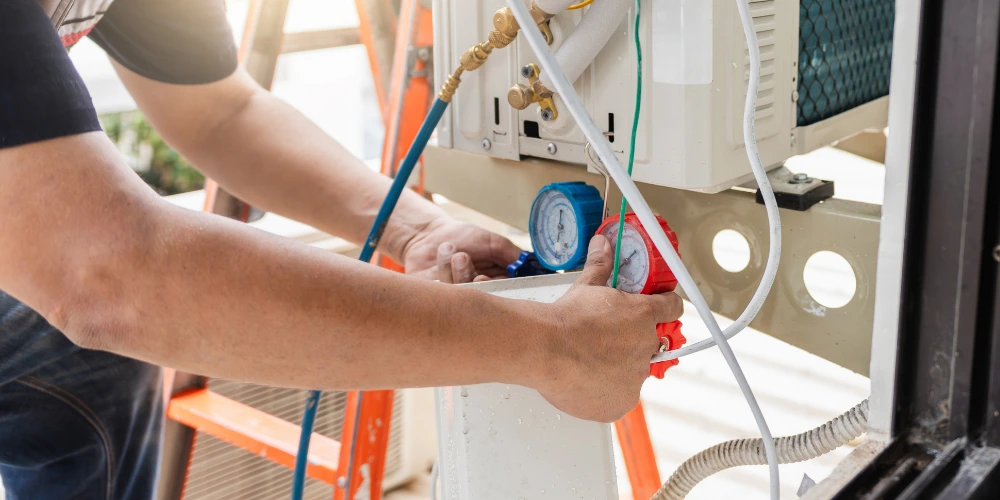
Low gas levels affect the cooling efficiency of the unit. The evaporator coil becomes too cold, leading to excessive condensation and dripping.
| How to Fix | How to Prevent |
|---|---|
| Technician performs a pressure check. | Avoid skipping annual gas checks. |
| Identify & repair leaks if present. | Ensure installation piping is secure. |
| Top up refrigerant safely. | Service regularly to detect early signs of low gas. |
Recommendation: Arrange a gas top-up check to restore the cooling efficiency.
5. Improper Aircon Installation
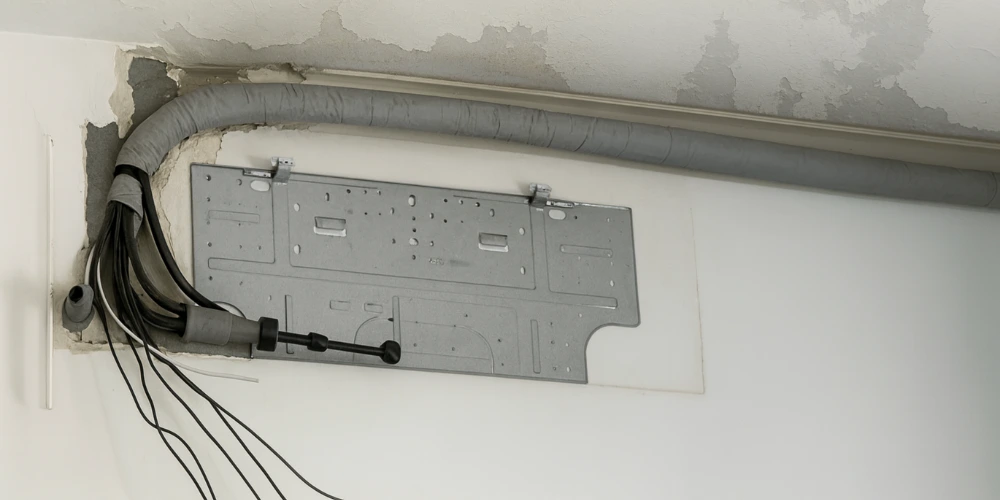
Incorrect installation is a common but lesser-known reason for indoor leaking.
Examples:
- Drain pipe not sloped correctly
- Indoor unit mounted unevenly
- Pipe routing mistakes
| How to Fix | How to Prevent |
|---|---|
| Adjust slope of drainage pipe. | Use experienced installers. |
| Relevel the indoor unit. | Avoid DIY installation. |
| Reroute piping if required. | Ensure piping is tightly sealed and properly sloped. |
Recommendation: Request a professional installation assessment to correct the issue.
6. Full or Damaged Drain Pan
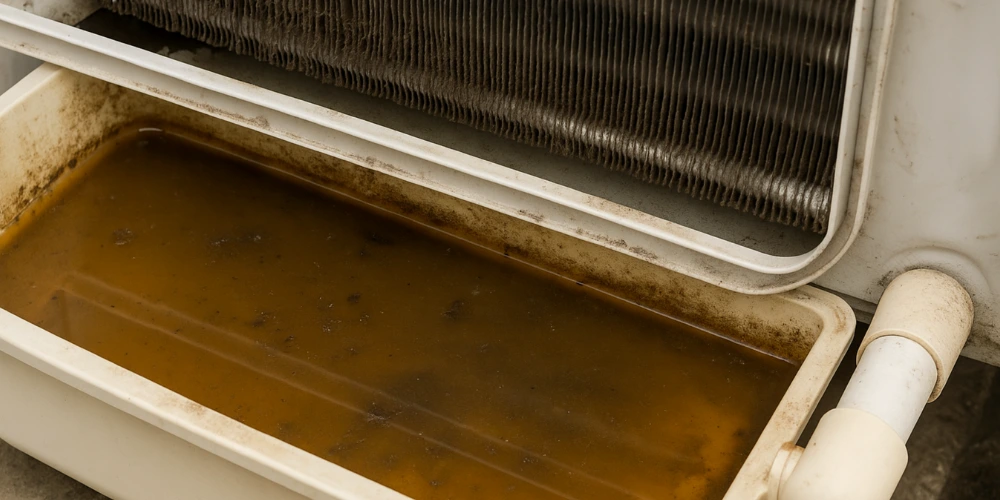
Over time, drain pans can rust, crack, or fill with debris.
A faulty pan cannot collect and direct water properly — causing leaks inside the home.
| How to Fix | How to Prevent |
|---|---|
| Replace cracked or rusted drain pan. | Include drain pan check in annual servicing. |
| Clean debris and sludge. | Keep drainage components clean. |
| Avoid long gaps between maintenance. |
Recommendation: Get an aircon inspection to repair or replace the drain pan.
7. High Humidity or Overworked Aircon
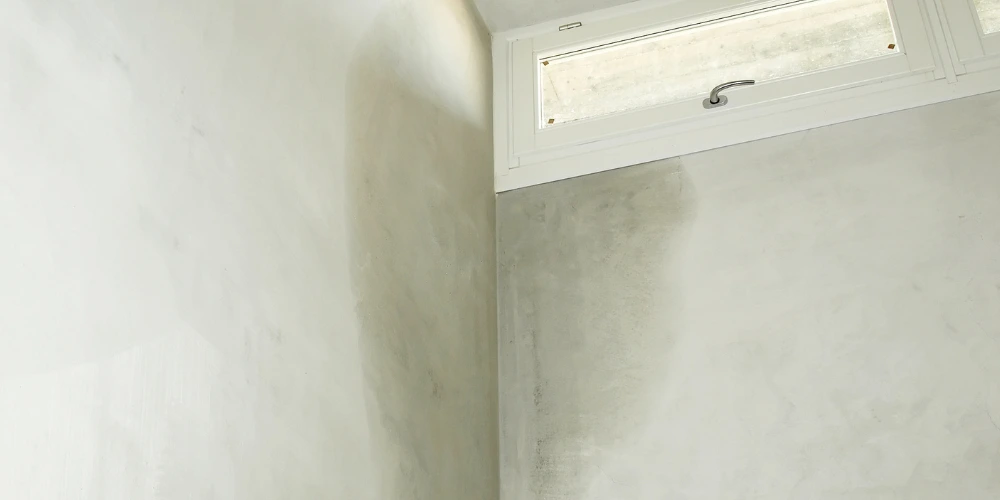
Singapore’s humidity accelerates condensation.
If your aircon is undersized (low BTU) or the room is frequently opened, dripping becomes common.
| How to Fix | How to Prevent |
|---|---|
| Ensure your aircon is correctly sized for the room. | Install sufficient cooling capacity. |
| Keep windows & doors closed while running the unit. | Avoid overworking your aircon at low temperatures. |
| Reduce unnecessary heat sources. | Maintain good insulation within the room. |
Recommendation: Refer to our BTU size guide to ensure your aircon is suitable for your room size.
⚠️ Is It Safe to Continue Using a Leaking Aircon?
Generally not recommended.
A leaking unit can cause:
- Electrical risks
- Mold growth
- Wall and ceiling damage
- Higher repair costs later
Switch off the unit and get it inspected if the leaking persists.
🛠️ When Should You Call a Technician?
Call a technician if:
- Water drips continuously for more than 24 hours
- You see ice forming around pipes
- The unit is very old (5+ years)
- Water flow increases over time
📌 Final Thoughts:
Indoor aircon dripping is a common issue in Singapore homes, but early detection and regular servicing can prevent bigger problems.
If your aircon is leaking, resolving it early ensures long-term performance and keeps your home safe and comfortable.
Our technicians are here to help — just contact us anytime.
Get an Appointment with Us